Save 10% on Qualifying Projects
Update Your Property With Window Installation Services in Eagle River, AK
Windows affect natural light, exterior appearance, interior comfort, and the way individual rooms function. Window installation services in Eagle River, AK, can address aging, damaged, or outdated windows while providing properly fitted replacements for residential and commercial properties. Window installation may also be incorporated into new construction, additions, remodeling, and other qualifying construction projects.
Home window replacement requires more than selecting a new window. Existing openings, surrounding materials, dimensions, trim, and interior and exterior transitions should all be considered before installation. Proper planning helps the replacement fit the opening and coordinate with nearby finishes.
Residential window installation can focus on individual windows or multiple openings throughout a home. Commercial window installation can address qualifying windows in business properties based on the building and project scope.
New construction windows require similar attention to placement and dimensions. Window locations can influence natural light, wall space, furniture arrangements, and the overall appearance of a room. Coordinating installation with surrounding construction helps create cleaner transitions once the work is complete.
Whether the project involves replacement window installation or windows for a larger construction project, careful measurements and attention to surrounding details are important parts of creating a finished result.
Replace Aging or Damaged Windows With a Carefully Planned Installation
Window replacement may become necessary for several reasons. Existing windows can become worn, damaged, difficult to operate, or visually outdated. In other cases, property owners may want new windows as part of a broader renovation or exterior update. Identifying the reason for replacement can help establish the scope of the project.
A window installation project may include:
- Replacing aging residential windows.
- Installing windows in new construction.
- Updating windows during remodeling.
- Installing windows as part of home additions.
- Replacing qualifying commercial windows.
- Coordinating window openings and surrounding carpentry.
- Updating interior trim around windows.
- Addressing finish details around new installations.
- Coordinating multiple window replacements.
- Integrating windows with related renovation work.
Home window replacement begins with evaluating the existing opening and the planned replacement. Accurate dimensions are important because the new unit needs to fit the available space and coordinate with surrounding construction.
Replacement window installation should also account for nearby trim and finishes. Removing an older window may affect surrounding materials, so the project should consider how those areas will transition to the new installation. Interior carpentry and trim may be included when needed to create a more finished appearance.
Replacing several windows at once can require additional coordination. Individual openings may have different dimensions, surrounding finishes, or room conditions. Each location should be considered on its own while maintaining a consistent approach throughout the property.
Residential window installation may also be included in a larger remodel. If walls, trim, doors, or other features are already being updated, coordinating window work with those improvements can help the different elements fit together more naturally.
Commercial window installation has similar planning considerations but should reflect the specific property and project scope. Window locations may affect work areas, customer-facing spaces, or other portions of a commercial interior. Replacement should therefore be coordinated with the way those areas are used.
A carefully planned window replacement service focuses on both the opening itself and the surrounding details. Measurements, placement, carpentry, trim, and finishes all contribute to how the installation looks and functions once completed.
Coordinate Windows With Remodeling, Additions, and New Construction
Windows are often one part of a larger construction project. During remodeling, home additions, or new home construction, window placement can affect room layouts, wall space, natural light, exterior appearance, and finish work. Considering these factors early can help the windows fit naturally into the overall plan.
New construction windows are coordinated differently from replacements in finished openings because their installation occurs as the surrounding structure is being built. The planned dimensions and locations should align with framing and the intended use of each room.
In a new home, window placement can influence where cabinetry, furniture, storage, and other interior features can be located. A kitchen window may need to coordinate with cabinets or work areas. Bedroom and living-area windows can affect furniture arrangements and usable wall space.
Home additions also require careful window planning. The new space should receive windows appropriate for its intended use while maintaining a visual relationship with the existing home. Placement, size, surrounding trim, and other visible details can contribute to how naturally the addition connects with the original structure.
During a renovation, home window replacement can be coordinated with other interior or exterior improvements. New trim, doors, carpentry, and finishes can be planned together so transitions around the window do not appear disconnected from the rest of the project.
Commercial properties may also incorporate window installation into broader renovations or build-outs. Existing windows may be replaced, or new openings may be included where appropriate to the construction plan. The installation should account for surrounding walls, trim, and interior arrangements.
Window installation can also affect nearby carpentry. Framing and finish work around an opening should align with the dimensions and placement of the window. Interior trim provides a visible transition between the window and surrounding wall surfaces, making careful finish work important.
A window installer working within a larger construction project must account for these relationships. The window is not an isolated component. Its location and dimensions can influence surrounding materials and how the room is ultimately arranged.
Coordinating window installation with remodeling, additions, or new construction allows the openings to become intentional parts of the project. Planning ahead can help reduce conflicts with cabinetry, doors, trim, storage, and other features that share the same walls or surrounding areas.
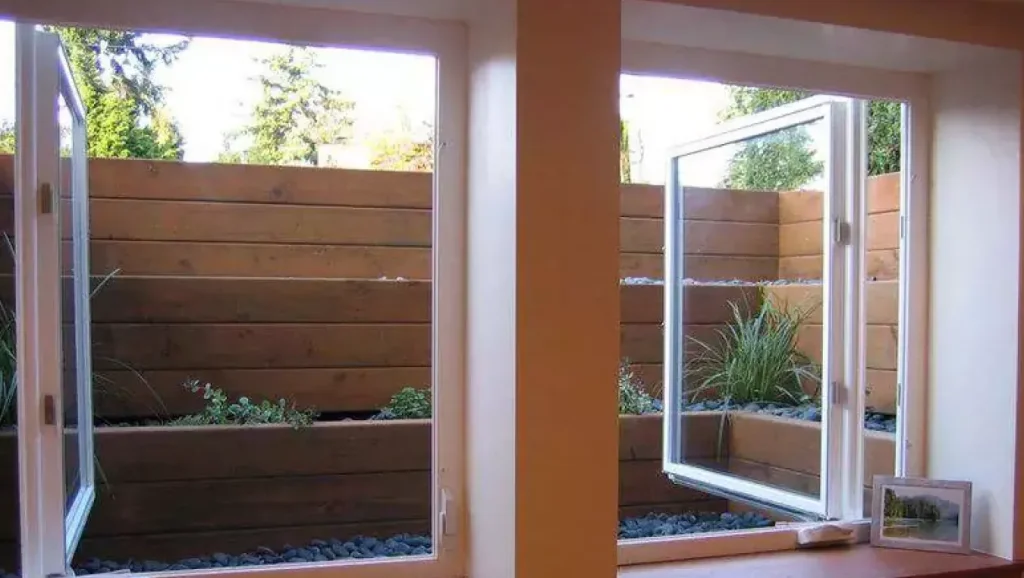
Select Window Placement and Finishes With the Room in Mind
Window installation should account for more than the opening in the wall. The way a window relates to the room can influence natural light, furniture placement, usable wall space, interior trim, and the overall appearance of the area. These factors are particularly important when windows are being added or coordinated with larger renovations.
In living areas, windows can help shape the arrangement of the room. Placement may influence where furniture can sit and which walls remain available for storage or other features. During remodeling or new construction, considering these relationships before installation can help the room function more naturally.
Kitchen windows require additional coordination because cabinetry, countertops, tile, and other features may occupy nearby wall space. The dimensions and position of the window should be considered alongside those elements so the finished kitchen feels intentional.
Bathrooms may have different priorities. Window placement should reflect the planned room arrangement and surrounding surfaces. Tile, trim, cabinetry, and other finish details may need to be coordinated with the opening.
Bedrooms and flexible living spaces can also benefit from thoughtful window placement. Natural light and usable wall space may both influence how the room is arranged, so the location of a new construction window should fit the broader plan.
For replacement projects, existing openings generally establish the location. Even then, replacement window installation should consider surrounding trim and finishes. Updating these visible details can help the new window integrate with the room rather than appearing separate from it.
Window styles and finishes can also influence the visual direction of a property. When multiple windows are being replaced, maintaining a coordinated appearance can help create consistency from room to room and across exterior elevations.
Residential window installation may involve one opening or several areas throughout a home. Each window should fit its specific location while contributing to the broader property. Commercial window installation similarly needs to account for the individual spaces where replacements are planned.
The surrounding finish work deserves attention after the main installation is complete. Interior trim, carpentry, and nearby surfaces create the visible connection between the window and the room. Clean transitions can make a significant difference in the finished appearance.
A window replacement service can therefore address both practical and visual concerns. Replacing an outdated window can improve how the opening operates and refresh the surrounding area, while new construction windows can be positioned as intentional parts of a new room or structure.
Whether the project involves one home window replacement, multiple residential windows, commercial window installation, or windows for new construction, planning around dimensions, placement, trim, and surrounding features can help produce a cohesive result.

Get $500 Toward Your Remodel
Receive a $500 project credit on qualifying kitchen or bathroom remodeling projects of $15,000 or more. Ask us about the promotion when discussing your plans.
Frequently Asked Questions About Window Installation
-
Window replacement may be considered when existing windows are damaged, worn, difficult to operate, outdated, or being updated as part of a larger renovation. The condition of each window and the goals of the project can help determine the appropriate scope.
-
Yes. Residential window installation can be coordinated with remodeling, additions, interior renovations, and other construction work. Planning the window installation alongside nearby trim and carpentry can help create consistent transitions.
-
Yes. New construction windows can be incorporated into the building plan and coordinated with framing, room layouts, doors, cabinetry, trim, and other construction elements.
-
Yes. Commercial window installation can address qualifying windows in business properties. The scope depends on the existing openings, surrounding construction, and planned improvements.
-
Window projects may include related carpentry, trim, and finish work when those items are part of the project scope. These details help create clean transitions between the installed window and surrounding interior surfaces.